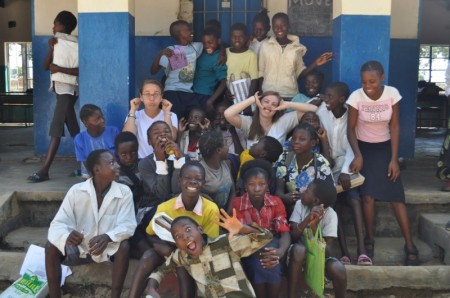
A quick disclaimer, please do not read the previous blog written by Erin or it will make mine look like it was written by a third grader. Beginning to write this blog, it has occurred to me that we as a group have experienced so much. The Zambian people have touched our lives and our hearts in less than a week and we all look forward to learning from them in whatever unexpected way. These experiences have begun to meld together to form a picture of who the Zambian people are. However, many of our experiences have been of welcoming and happiness, starting with the singing and dancing we watched on landing in Zambezi to the warm hospitality we found on Sunday in Church. As we continue to live and teach here, the different programs are beginning to realize the harsh realities of a developing country in poverty.
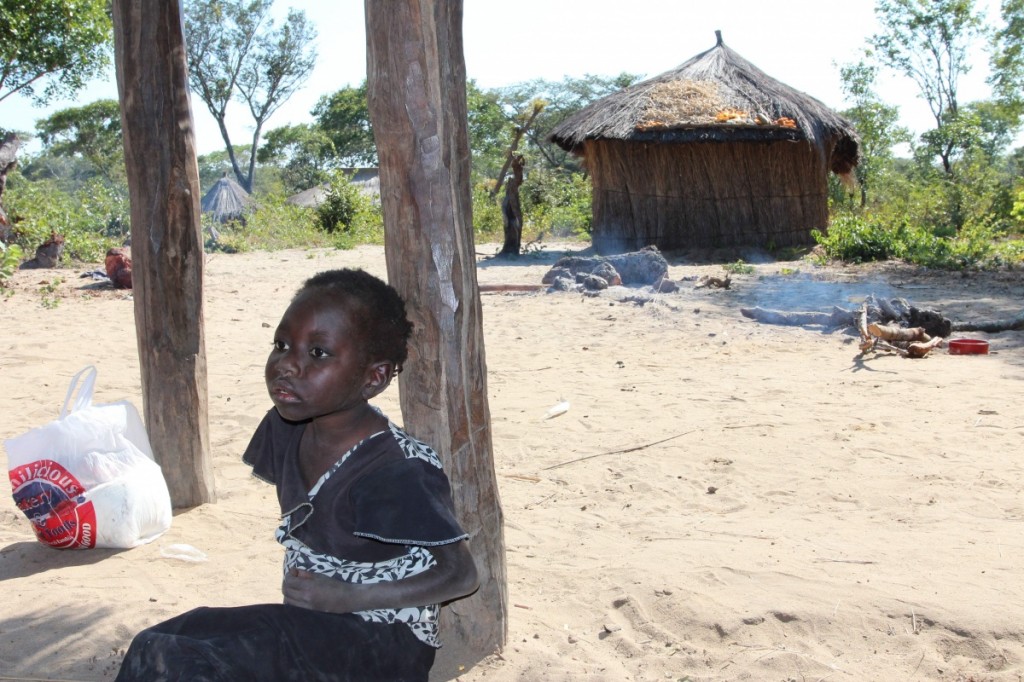
As a part of the health program, today we were allowed the opportunity to shadow Mama Winifreda, one of the administrators of home based care, to witness first hand the HIV/AIDS problem in Africa. We met a beautiful girl named Christina, who was an eight year old girl diagnosed four years ago with HIV. She was smaller than a usual eight year old and had a large rash on the back of her leg, typical for a girl with HIV. The reality of her situation was clearly understood when we learned that both of her parents had died from AIDS, and her aunt and uncle taking care of her could only afford one meal a day. We learned that many HIV patients become sick when taking their medicine if they do not have anything to eat, and so becomes a problem for poor HIV patients. After we met with the girl, Josh asked me what I thought and all I could say is “it’s real”. I feel like this is one of the realities that we must see and understand to truly comprehend the true dynamics of the Zambezi community. The country of Zambia has an extreme HIV/AIDS problem, with nearly 1 out of 5 people affected by the disease. It is this problem that we all want to address and solve, but the solutions are often blocked by even larger problems. The reality is that there is HIV/AIDS in Zambia and that many children and adults are affected by this debilitating disease.
Another reality of Zambezi that I have seen though, is the compassion, love and care that people have for one another. The reality is that all of the home based caregivers are volunteers. Without any payment these caregivers, who are often the same socioeconomic class as their patients, walk miles to see and care for their patients. They spend countless hours with their patients and often provide food and money that they do not have themselves. One home based caregiver even walked 27 km (about 3 hours) just to meet with us and learn about caring for patients with malaria. It is this reality that gives me hope for the village of Zambezi. These caregivers have become my role model, as their unselfish dedication for the sick in need is unmatched. Despite the overwhelming challenges of HIV/AIDS in this poor country, we cannot help but to continue to hope because of the people like the volunteers at home based care.
Jonathan Droessler, Class of 2013