In the US, I think there are preconceived notions of what life is like in Africa, with little understanding of each country and the vast complexities that make up different communities. I have heard people talk about unsafe drinking water, lack of technology, resources, diseases, etc. in reference to the entire continent. Speaking about Zambia specifically, yes there are problems here, as is in any complex society throughout history. However, there are also incredible people and cultures that bring light to the world that I think might resonate with you all back home in surprising ways. From my time spent in Zambia the past two weeks, I want to shed light on some of what life may look like here and how very real shared human experiences are reflected in the faces I have met.

My friend Dominic
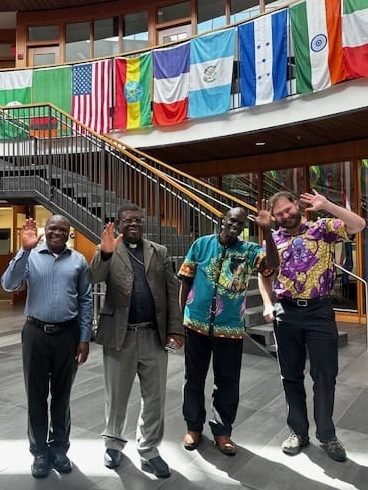
Dominic has been with the Gonzaga-in-Zambezi program since near the beginning and has helped over 250 students find a home away from home in Zambia. He is like family to Josh, and within only a week of knowing him has become a close friend of mine as well. When you look in Dominic’s eyes and cheeky smile, you see a gentle, kind, and intelligent man. When you listen to his stories, thoughts, and feelings, you discover a community leader, friend of many, and honorable soul. Dominic has dedicated his life to the service of others and his entire being lights up when he’s asked about his many projects. Dominic’s humor is unmatched and he always has a mischievous look in his eyes. Throughout this experience, he has told me, “the beauty lies ahead.” I think of Dominic, my first friend in Zambia, and this saying when I feel discomfort and need to visualize a familiar face rooted in the place I am currently calling a home.
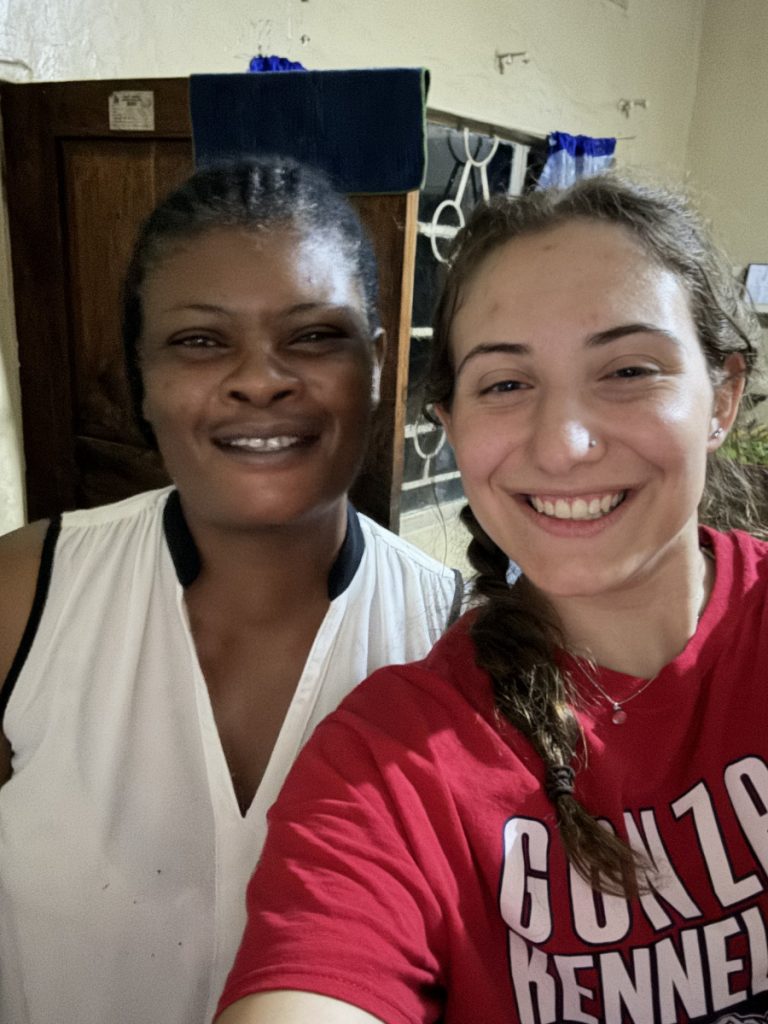
Mama Katendi
Similar to Dominic, Mama Katendi has been with the program since Josh started coming here in 2007. To everyone reading, the thing you should know about Mama Katendi is that she is a force to be reckoned with and a clear example of a powerful woman. Her cooking is delicious and we all look forward to days we get to be her assistant in the kitchen. On her day off last Sunday, she still showed up to help us with some water difficulties. Mama Katendi was the first person to show me around Zambezi. People gravitate towards her in the market and she walks through life with incredible confidence and grace. Mama Katendi has seven children whom she raised, yet still shows up for anyone else who might need her. She takes time and offers her knowledge about what it means to be a girl and woman in Zambia: She’s an exemplary role model to younger women.

Debby and Eucharia
Debby and Eucharia’s names alone are woven into the Zambezi community. Debby runs Zam City, a soccer club for youth, and Eucharia is a nurse at the main hospital in town. When I first met Debby and Eucharia, the first thing I noticed was the outstanding love and respect between the couple. Their unconditional love and appreciation is apparent in their young children who I had the pleasure of meeting, as they welcomed me with open arms and encouraged me to join them in their sports, drawing, and chess games. Eucharia takes time each day to show us around the hospital and ensure we are learning to be well rounded healthcare providers in the future. In Zambezi, the main hospital and 38 clinics together serve around 110,000 people. Please let this sink in. There are two doctors to serve all of these locations and patients. This means that nurses here are beyond proficient in procedures and protocols that nurses in the US would struggle to grasp. The hospital in Zambezi along with the 38 clinics are public hospitals with little funding and resources. However, there is an unspoken and felt consensus apparent in the hospital staff that healthcare is a human right, not a privilege only available to those who can afford it or have insurance. Anyone in the region is welcomed at the hospital, regardless of class, status, wealth, ability, gender, or religious denomination. Eucharia is an example of the nurse I strive to be, she is beyond intelligent, amazing at problem solving, caring, empathetic, and resilient to a healthcare system that lacks resources and faces difficult emotional challenges daily.
Alfred
Alfred is a man I met on my morning walk the other day. In Zambezi, my skin color makes me a spectacle. It is difficult to go anywhere without people staring with curiosity or intrigue as there are really no other white people aside from other Zags. Alfred, was the first person I met to make me feel like a neighbor rather than a visitor. I met him walking behind the convent and he asked me where I was going. After exchanging names, we began walking together and we discussed his family, the weather, and the agenda for the day. We laughed together as we walked, as if we had not just met moments before. As I turned to leave, he gave me a side hug without skipping a beat and pointed to his office saying to me that if I needed anything he was right near by. Then he proceeded to walk away without turning around, as if he were used to seeing me every day, and knowing I would be there tomorrow. His kindness and grounding presence made me feel a sense of belonging.
The Youth
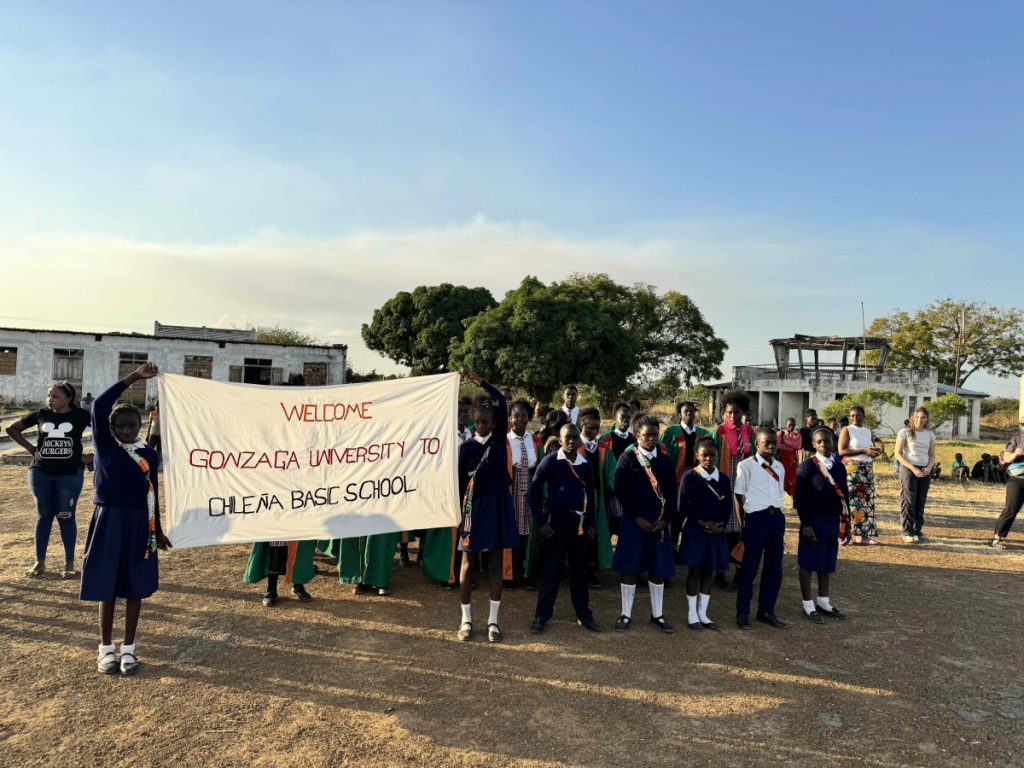
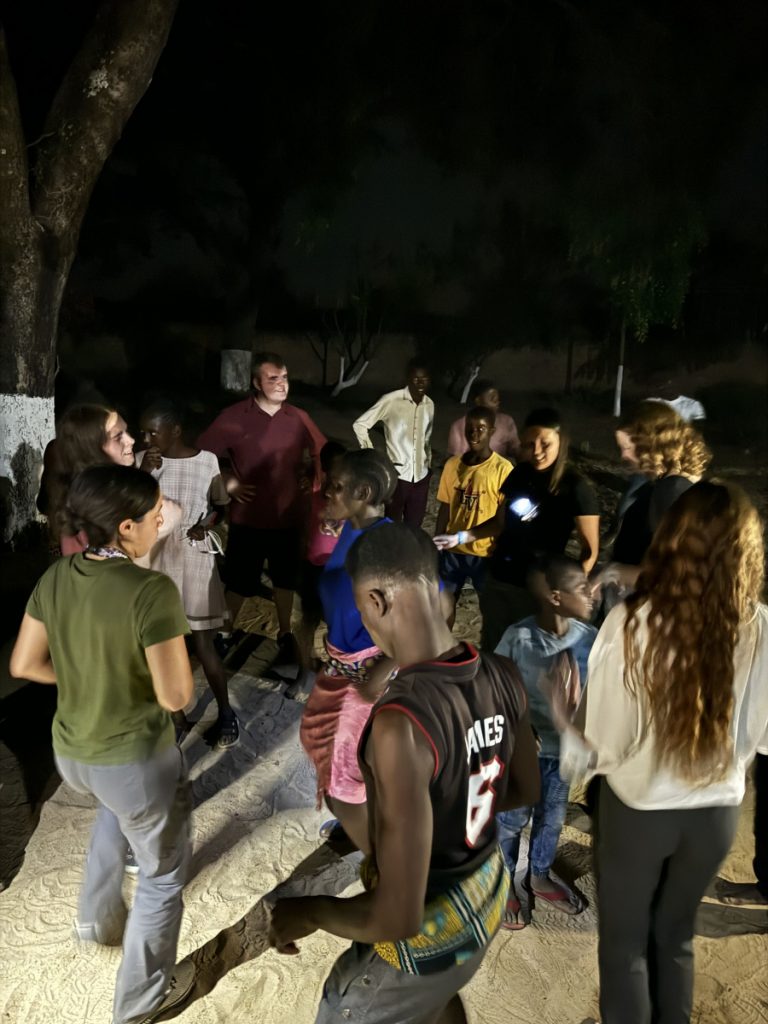
Children are filled with laughter, curiosity, questions, and complaints. A fact I am learning is not limited to one country and in fact spans the globe. The children I have met here have greeted me with little waves and giggles. They are filled with life and run through the streets skipping, running, and dancing with joy. They fight amongst one another, tease, and make fun as children do. They are the first to bring outsiders into their space, mainly out of curiosity, and are always wanting a supportive hug or high five from an older kid. The teens in Zambezi are impressive beyond words. At Zambezi boarding, a secondary school here, teens undergo rigorous academic courses and only a select handful move on to big universities. They are familiar with academic competition and like us are striving to complete higher levels of education. I have asked countless teens here, “what do you want to be when you grow up?” The answers I have received include doctors, nurses, journalists, artists, athletes, writers, lawyers, and more. The youth I have met here will usher in a bright future and their hopes, dreams, and realities parallel those that I have seen back home.
The Patients
All of you reading this might have some mental images of the Zambezi District Hospital. I promise that your perception is wrong, as you would be surprised in both good and bad ways. Today I saw a patient, only five years older than myself who decided to have an incredibly invasive and vulnerable procedure. This young woman was scared and in pain. During the consultation, I noticed her body language being tense and she seemed choked up. Her friends were with her, but they didn’t want to be present for the procedure and it was clear to me that she felt she would be undergoing the experience somewhat alone. Before the doctor started, I went over, introduced myself and asked if she would want to hold my hand, thinking to myself that I would want another woman to take my hand and help carry me through the experience if I were in her position. In that moment, I was not a Gonzaga student, or a future nurse. She was not a patient, and we were not strangers. Instead, we were two young women, one supporting the other through a devastating reality that is all too familiar to other women world wide. There was an unspoken understanding and familiarity with the situation at hand and the emotional care required to persevere through the pain and discomfort. As we sat there, she told me she was scared and she began to cry, the procedure (without anesthesia) hurt beyond what my words can convey and her physical and emotional pain was evident. After it was over, I went to check on her and she said she was doing better. The relief in her eyes is something I will never forget. She will return back to her life, having been allowed autonomy over her body and choices, but bearing today’s wound as a scar. I admire her poise, strength, and willingness to ask for and accept support from a complete stranger. To me, she is an epitome of what it means to be brave in more ways than one.
My goal for sharing these people, stories, and experiences with all of you is so that you might resonate on a personal level with Zambians and the incredible humans I have met here. Maybe you see yourself, a family member, a friend, neighbor, leader, provider, vulnerable person, or caretaker within your community in the short descriptions I have shared. The things we experience as people, while living different lives and surviving and thriving in a variety of situations, often reveal similarities. I am learning how to see someone different from myself at eye level and find the similarities we all share.
I cannot wait to see my people again in two weeks. I miss all of you more than I ever have and I thank you for encouraging me to partake in this once in a life time experience. I look forward to sharing more faces of Zambia with you and bringing you as close to my experiences as possible through understanding the raw human emotions and character traits evident in all of us.
Happy 80th Birthday Noni! I wish I were there to celebrate with you but I am sending my love! Congratulations on graduating high school Kira! I am beyond proud of you and cannot wait for our summer adventures together! Love to all my family back home! Mom and Dad, please give the Georgie and Roo a hug for me, and Davis please give Murph and Winnie love from me!
Ani Posner, Class of 2026